
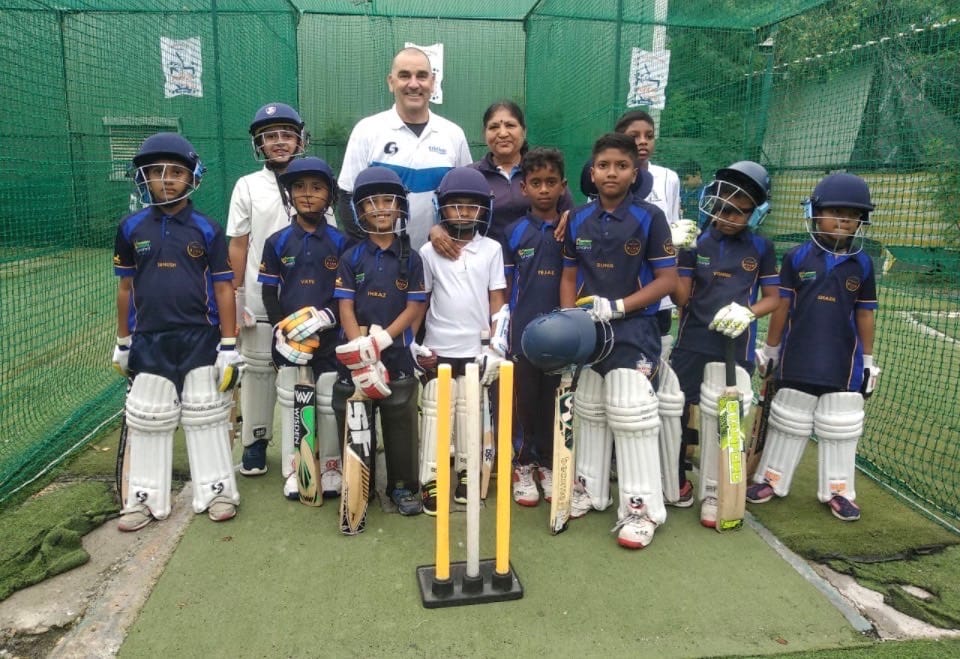
A turf pitch, appointed umpires and a scorer on every ball make VECL a serious competition. None of that is worth much if the cricket is not played the right way. Every player, parent, coach and official in the league is bound by a code of conduct and by the Spirit of Cricket. This post explains what that asks of a young player, and why it matters as much as any skill.
Respect is at the centre
The Spirit of Cricket comes from the Laws of Cricket (2017 Code), and the league’s Player Code of Conduct quotes it directly. The heart of it is one word: respect. Respect for your captain, your teammates, your opponents and the authority of the umpires.
In practice that means:
- Play hard and play fair.
- Accept the umpire’s decision.
- Create a positive atmosphere by your own conduct, and encourage others to do the same.
- Show self-discipline, even when things go against you.
- Congratulate the opposition on their successes, and enjoy your own team’s.
- Thank the officials and the opposition at the end of the match, whatever the result.
The Laws put responsibility for fair play first on the captains, under Law 1.4, but it extends to all players, match officials, coaches and parents, especially in junior cricket.
What players commit to
The Player Code of Conduct turns those principles into commitments a junior can understand and keep. Among them:
- I will never argue with an official. If I disagree with a decision, I will tell my captain, coach or manager during a break or after the match.
- I will control my temper. Verbal abuse of officials, sledging, and deliberately distracting or provoking an opponent are unacceptable. So are abusing equipment and displays of bad temper.
- I will work equally hard for myself and for my team.
- I will applaud good play, by my team or the opposition.
- I will treat all players as I would like to be treated, and I will not bully anyone or take unfair advantage of another competitor.
- I will show modesty in victory and grace in defeat.
- I will respect the rights, dignity and worth of everyone involved, whatever their gender, ability or cultural background.
These are not extras on top of good cricket. A player who can take a poor decision calmly, or keep bowling well after being hit for six, is showing the kind of response selectors watch for: at the try-outs, effort, attitude and how a player responds when something goes wrong are all part of the assessment.
The adults set the tone
Junior players take their cue from the adults around them, and the league holds those adults to their own published codes.
The Parent and Spectator Code of Conduct asks parents to remember that players take part for enjoyment and that winning is only part of it, never to ridicule or shout at a player for a mistake, and to respect officials, coaches, opponents and other families. Dissent from the umpire’s decision is treated as a serious breach. The coaches and captains decide batting and bowling orders and field placings, and parents and players abide by those decisions.
The Coach and Official Code of Conduct asks coaches and umpires to place player safety and welfare above all else, to give every player a fair go, and to emphasise the Spirit of the Game rather than the errors.
Smoking is banned in all spectator areas and on sports grounds during organised events, including junior matches and training.
When a code is broken
The codes have consequences, and the league is open about them:
- A player who breaches the code may receive a warning, a suspension, or expulsion from the tournament and from league activities. Those decisions rest with the league’s management committee.
- A coach, umpire or team staff member faces the same range of sanctions.
- Unruly behaviour on the boundary is not tolerated. A spectator behaving that way may be removed from the ground, and the player they are associated with may be removed with them.
- There is no place for violence on or off the field, and the committee may impose whatever sanction is needed to make that clear.
On match day, any dispute is first worked through at the ground, with both umpires and then the management of the teams present, before anything goes further.
Join a league that plays it right
The December 2026 season runs on 24, 27, 28, 29 and 30 December in Melbourne. Register for team selection for a $20 fee, and read the codes in full in the policy centre before the first match. Questions go to info@vecl.au.